(303) 356-9009


The short answer
A recurring office lunch program is a standing order with a caterer: the same day each week or every other week, a set headcount, a rotating menu, and one invoice. Most Denver offices that run one land between $15 and $25 per person for a delivered lunch, confirm headcount 48 hours ahead, and rotate through four to six menu formats so the team does not get bored.
The reason to set one up is not the food. It is that nobody on your team has to think about lunch on Thursday mornings anymore.
How often do Denver offices actually order?
Three patterns cover almost everyone.
Weekly, one fixed day. The most common. Usually tied to whatever day the office is fullest, which post-2020 is overwhelmingly Tuesday, Wednesday, or Thursday. Easiest to administer because it becomes a habit people plan around.
Biweekly or monthly. Common for smaller teams or for offices where lunch is a perk rather than a routine. Often anchored to something: the monthly all-hands, the end-of-sprint review, the first Friday.
Event-driven standing order. No fixed calendar, but a pre-agreed menu and price so that booking a lunch takes one email instead of a quoting cycle. Good for client-facing teams who need lunch on short notice but not on a schedule.
If you are starting from nothing, start biweekly. It is easier to add frequency than to cut it once people expect it.
What a weekly office lunch costs per person
Cost tracks service style far more than menu. Here is the honest picture for the Denver market:
| Format | Typical per person | Works for |
|---|---|---|
| Platters and build-your-own | $10-$16 | Casual teams, flexible headcount, grazing through the afternoon |
| Boxed lunches | $15-$22 | Meetings, off-sites, anywhere people take food back to a desk |
| Hot buffet, delivered and set up | $18-$28 | Full-office days, all-hands, when you want people to sit together |
| Staffed service | $30+ | Client lunches, executive meetings, board days |
Silver Spoons corporate catering starts at $18.95 per person. Platters are priced individually from $3.50 to $18.25 per person with a 15-serving minimum per item, which is what makes a build-your-own format flexible on cost. Disposable place settings are $2.25 per setting.
Two costs offices forget: delivery and setup, and the gap between how many people you order for and how many eat. On the second one, the usual guidance is to order for 85 to 90 percent of headcount on a recurring order once the program is established, because attendance settles into a predictable pattern after about a month. Order for 100 percent the first few times until you know your number.
Menu rotation, so people do not get bored
The failure mode of a recurring lunch program is not bad food. It is the fourth consecutive week of sandwiches. A rotation of four to six formats, cycled rather than repeated, keeps a weekly program fresh for a quarter without anyone having to make a decision.
A rotation that works:
- Sandwich and salad spread
- Pasta or Italian table
- Mediterranean, built around roasted chicken and vegetables
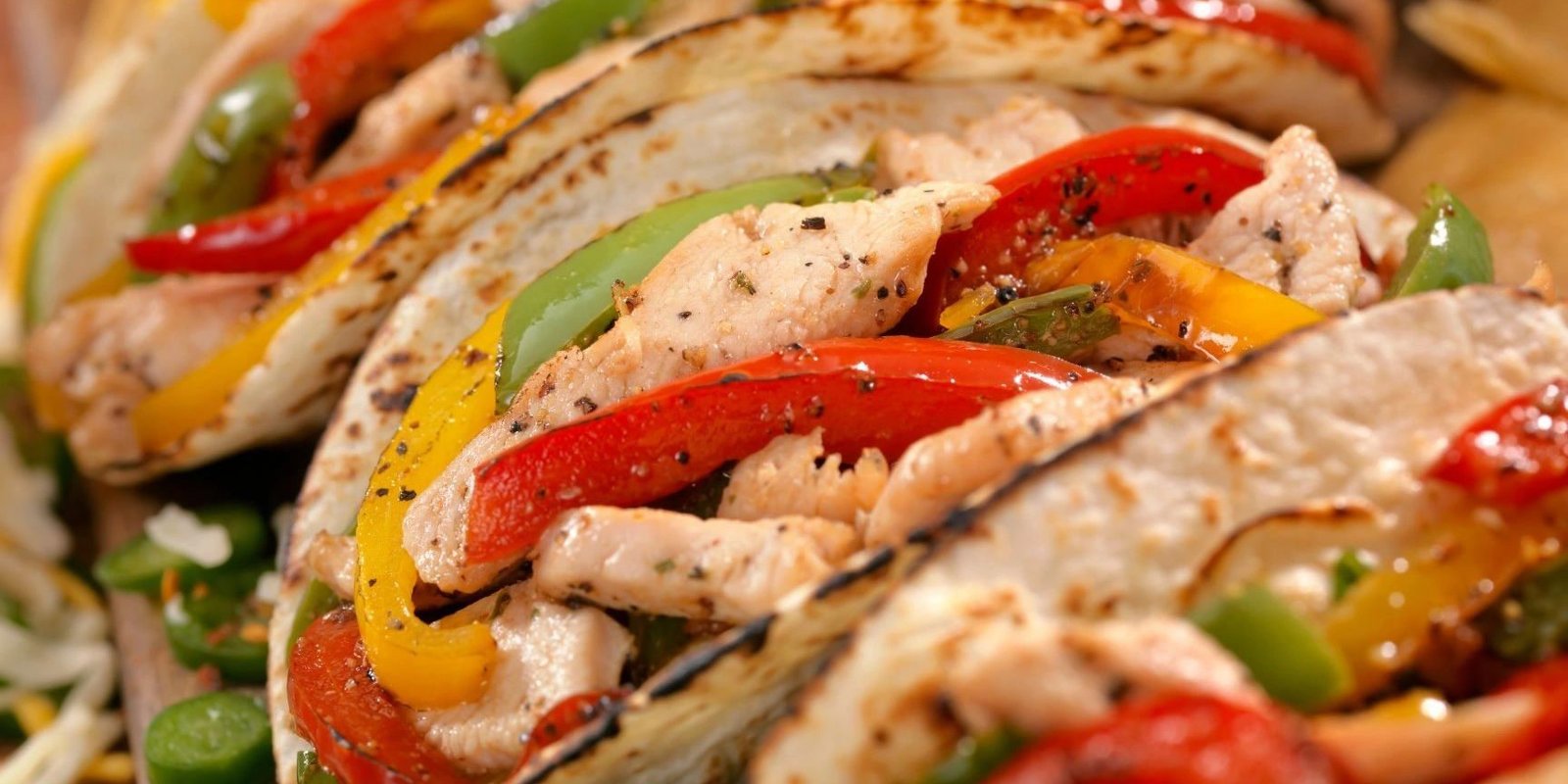
- Southwest or taco bar
- Breakfast-for-lunch or a brunch spread
- Soup and grain bowls, especially in winter
Set the rotation once with your caterer and let it run. Revisit quarterly. The teams that get the most out of this treat the rotation as a default that can be overridden, not as a menu to re-choose every week.
Dietary restrictions on a standing order
Handle this structurally, once, instead of per order. Collect the restrictions across the whole team at setup, tell the caterer the standing counts, and build them into every menu in the rotation. That is far more reliable than asking people to re-declare each week, and it avoids the pattern where the one vegan on the team gets a sad side salad every Wednesday.
A practical baseline for most Denver offices: at least one substantial vegetarian entrée, one vegan option that is not just the vegetarian one without cheese, gluten-free clearly labeled, and nut allergies flagged at the kitchen level rather than the label level. Label everything. People should not have to ask.
Lunch and learns, board meetings, and all-hands
A recurring program makes the irregular lunches easier too, because the pricing and the logistics are already agreed. Three formats come up constantly:
Lunch and learn. Food needs to be quiet and one-handed. Avoid anything that requires cutting or crunches loudly. Boxed lunches or wraps, not a hot buffet.
Board and client meetings. This is where staffed service or at minimum a plated-looking presentation earns its cost. The food is part of the impression.
All-hands and employee appreciation. Volume and spectacle matter more than refinement. A station format, where people move and choose, turns lunch into an event rather than a queue.
Local caterer or national marketplace?
Worth saying plainly, because the marketplaces are good at some things. Platforms like ezCater, Zerocater, and CaterCow give you breadth, a single dashboard, and easy ordering across many cities. If you are coordinating lunches for offices in five states, that is the right tool.
For a single Denver office running a standing weekly order, a direct relationship with a local caterer generally gives you three things a marketplace cannot: a kitchen that learns your team's preferences over time, someone who answers the phone when headcount changes at 9 a.m., and pricing without a platform margin. The tradeoff is that you are managing one more vendor relationship directly.
Neither answer is universal. It depends on whether you value breadth or depth.
Setting one up
What a caterer needs to quote a recurring program: your typical headcount and the range it moves in, the day and cadence you want, your delivery window, whether you need setup and serviceware, your dietary counts, and your per-person target. That is one conversation.
Silver Spoons delivers corporate and office lunch catering throughout the Denver metro area. Tell us your headcount and your Tuesday, and we will build the rotation.
Frequently Asked Questions
What is a recurring office lunch catering program?
A standing order with a caterer: the same day each week or every other week, a set headcount, a rotating menu, and one invoice. You agree the cadence, price per person, and menu rotation once, then it runs without anyone re-deciding each week.
How much does weekly office lunch catering cost per person in Denver?
Platters and build-your-own formats run roughly $10 to $16 per person, boxed lunches $15 to $22, delivered hot buffets $18 to $28, and staffed service $30 and up. Silver Spoons corporate catering starts at $18.95 per person, with platters priced individually from $3.50 to $18.25 per person at a 15-serving minimum per item.
How many people should we order lunch for?
Order for 100 percent of headcount for the first few weeks until you know your pattern. Once a recurring program is established, most offices settle at ordering for 85 to 90 percent of headcount, because attendance becomes predictable after about a month.
What is the minimum headcount for a standing office lunch order?
Silver Spoons platters and menu items carry a 15-serving minimum per item, so 15 guests is a practical floor for a delivered lunch. Smaller teams usually do better with a biweekly or monthly cadence at a higher headcount than a weekly order that struggles to hit the minimum.
How do you keep a weekly office lunch from getting repetitive?
Set a rotation of four to six formats with your caterer and cycle through them: a sandwich and salad spread, a pasta table, a Mediterranean menu, a Southwest or taco bar, a breakfast-for-lunch spread, and soup and grain bowls in winter. Revisit the rotation quarterly rather than re-choosing weekly.
How do you handle dietary restrictions on a recurring order?
Collect restrictions across the whole team once at setup and give the caterer standing counts, rather than asking people to re-declare each week. A good baseline is one substantial vegetarian entrée, a genuine vegan option, clearly labeled gluten-free items, and nut allergies handled at the kitchen level. Label everything on the table.
How far in advance do we need to confirm each week's headcount?
Forty-eight hours is standard for a recurring order and gives the kitchen time to shop and prep. Most caterers can absorb a small change the morning of; a large swing needs more notice.
Can we pause a recurring lunch program for holidays or slow weeks?
Yes. A standing order is a convenience, not a contract lock-in. Agree a pause notice period at setup, typically the same 48 hours as a headcount change, and skip weeks as needed.
Is it better to use a catering marketplace or a local caterer for office lunches?
Marketplaces like ezCater or Zerocater give you breadth and a single dashboard, which suits companies coordinating offices across multiple cities. A single office running a standing weekly order usually does better with a direct local relationship: a kitchen that learns the team's preferences, someone who answers the phone when headcount changes that morning, and no platform margin.
Do you deliver office lunches across the Denver metro?
Yes. Silver Spoons delivers corporate and office lunch catering throughout the Denver metro area and along the foothills, including setup and serviceware where needed.